Diet & Health

Can Eating Too Much Chicken Increase Cancer Risk?
What Science Is Now Revealing About the World’s Most Popular Meat
Chicken has long been celebrated as a healthy alternative to red meat. It’s affordable, lean, packed with protein, and found in everything from fitness meals to family dinners. Globally, chicken is the most consumed meat, and in many diets, it’s practically synonymous with “eating clean.”
But emerging research is prompting scientists and nutritionists to take a closer look at what we’ve long considered a dietary staple. A recently published long-term study in the journal Nutrients has drawn a surprising and serious conclusion: people who consume more than 300 grams of chicken per week may have a significantly higher risk of early death and gastrointestinal cancer. The risk is particularly elevated in men.
This revelation is causing many to pause and reevaluate: Can something as familiar as chicken be harmful when consumed in excess?
The Study That Sparked Global Debate
Over 19 years, researchers tracked more than 4,000 adult participants. These individuals shared detailed information about their diets, medical history, lifestyle habits, and underwent physical examinations. The goal was to understand how poultry consumption affected long-term health outcomes, especially as red meat and processed meats had already been strongly linked to cancer in previous studies.
The results revealed that individuals who consumed more than 300 grams of poultry per week faced a 27% higher risk of dying from any cause compared to those who ate less than 100 grams weekly. For men, the risk was even starker—those eating above this threshold had twice the risk of dying from gastrointestinal cancers.
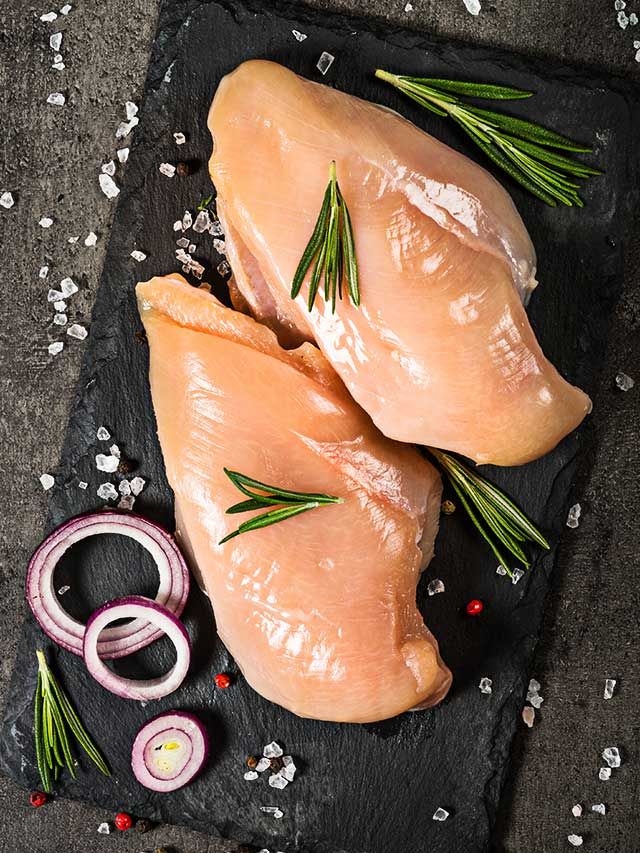
For context, one average chicken breast weighs about 174 grams. Eating just two in a week already crosses the 300g threshold flagged by the study.
Why Might Chicken Raise Cancer Risk?
This might come as a shock. After all, chicken is often recommended by doctors and nutritionists as a healthier alternative to beef or lamb. So what’s going on?
One of the key concerns lies in how chicken is cooked. High-temperature methods like grilling, frying, or broiling can produce heterocyclic amines (HCAs) and polycyclic aromatic hydrocarbons (PAHs)—chemicals formed when meat is cooked at very high heat. These compounds have been shown in lab studies to damage DNA and may play a role in cancer development, especially in the digestive tract.
Another potential factor is the growing consumption of processed poultry nuggets, sausages, and cold cuts, which often contain preservatives like sodium nitrites, linked to increased cancer risk in previous research.
Lastly, the study suggests that an excessive intake of animal protein in general—especially without balancing it with plant-based foods—can disturb gut health, cause low-grade inflammation, and reduce overall dietary diversity, all of which are linked to disease development.
Why Are Men at Greater Risk?
Interestingly, the study found that men had a far higher risk of gastrointestinal cancer from poultry consumption than women. While the exact reasons are still being explored, researchers believe several factors could be at play:
- Men generally consume more meat per meal than women.
- They are more likely to use high-heat cooking techniques like grilling and barbecuing.
- On average, men consume less fiber, which protects the gut.
- Men also tend to delay preventive healthcare measures, potentially leading to later cancer detection.
These gender-based dietary patterns could explain why men seem to bear the brunt of the risk.
Is Chicken Still Safe to Eat?
Yes—but portion control, preparation method, and balance are the key takeaways. The study doesn’t suggest eliminating chicken from your diet entirely, but rather consuming it mindfully and in moderation.
The Dietary Guidelines for Americans (2020–2025) recommend eating 100 grams of poultry 1–3 times a week, totalling a maximum of 300 grams weekly—these lines up precisely with the study’s warning threshold.
Additionally, how you cook your chicken matters greatly. Avoid charring or frying it at high temperatures. Baking, steaming, boiling, or poaching are safer options. Removing the skin and trimming visible fat can also reduce exposure to potential toxins during cooking.
Balancing Your Plate: Smart Protein Alternatives
The rise in chicken consumption globally has coincided with a decline in dietary diversity. Many people eat chicken daily without incorporating other nutrient-rich protein sources.
Nutrition experts recommend rotating your proteins. Great alternatives include:
- Legumes (like lentils, chickpeas, and beans)
- Tofu and tempeh
- Paneer and Greek yogurt
- Fish, particularly oily varieties rich in omega-3
- Eggs, nuts, and seeds
Including high-fiber vegetables and whole grains in your meals also helps reduce cancer risk by improving gut health and speeding up digestion, which can limit the time harmful substances spend in the intestines.
What This Means for You: Key Takeaways
- Chicken is healthy—but only in moderate amounts.
- Avoid eating more than 300 grams of chicken per week.
- Use safe cooking methods—boiling, steaming, baking—not grilling or deep frying.
- Avoid or limit processed chicken products like nuggets or deli meats.
- Balance your plate with plant-based foods, whole grains, and fiber.
- Diversify your protein sources regularly for optimal health.
Final Thoughts: Rethinking Our Food Choices
Food is deeply tied to our habits, routines, and emotions. Chicken has become the default “healthy meat” in households and meal plans around the world. But this new research is a reminder that even good things can become harmful in excess.
Rather than reacting with fear, this is an opportunity to make more informed, conscious food choices. Moderation, variety, and thoughtful preparation are the cornerstones of a truly healthy diet.
As nutritional science continues to evolve, so should our eating habits. It’s not about cutting out chicken completely—it’s about giving it the right place on our plates.